Published: January 28, 2024
The Overlooked Component of Fitness
Most people who exercise regularly focus on cardio and strength training but treat stretching as an afterthought. Skipping your stretches might save you a few minutes, but it comes at a significant cost to your flexibility, recovery, and long-term joint health.
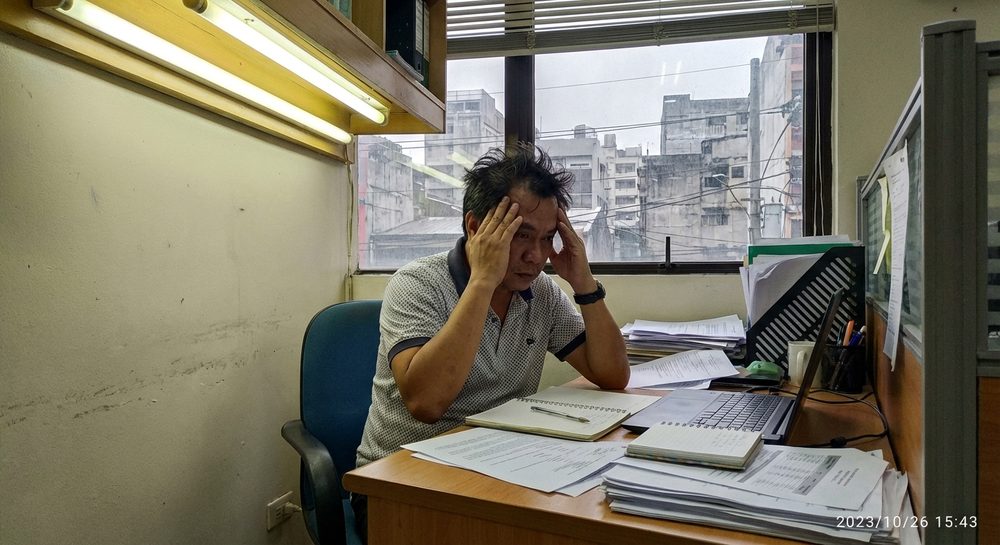
Regular stretching improves your range of motion, reduces muscle tension, decreases the risk of injury, and can even improve your performance during workouts. For office workers who spend hours sitting at a desk, and anyone dealing with chronic stress, stretching is especially important to counteract the postural imbalances caused by prolonged sitting.
Types of Stretching
Dynamic Stretching
Dynamic stretches involve controlled movement through your full range of motion. These are best performed before a workout as part of your warm-up. Examples include leg swings, arm circles, walking lunges, and torso twists. The goal is to gradually increase your heart rate and prepare your muscles for activity.
Static Stretching
Static stretches involve holding a position for 15 to 60 seconds. These are most effective after exercise when your muscles are warm. Holding a stretch allows the muscle fibers to lengthen and helps reduce post-workout soreness.
PNF Stretching
Proprioceptive Neuromuscular Facilitation is an advanced technique that combines stretching and contracting of the target muscle. While highly effective, PNF stretching is best performed with a partner or a trained professional to ensure safety.
Essential Stretches for Common Problem Areas
Hip Flexors
Tight hip flexors are extremely common among people who sit for extended periods. Kneel on one knee with the other foot flat in front of you. Push your hips gently forward until you feel a stretch in the front of your rear hip. Hold for 30 seconds on each side.
Hamstrings
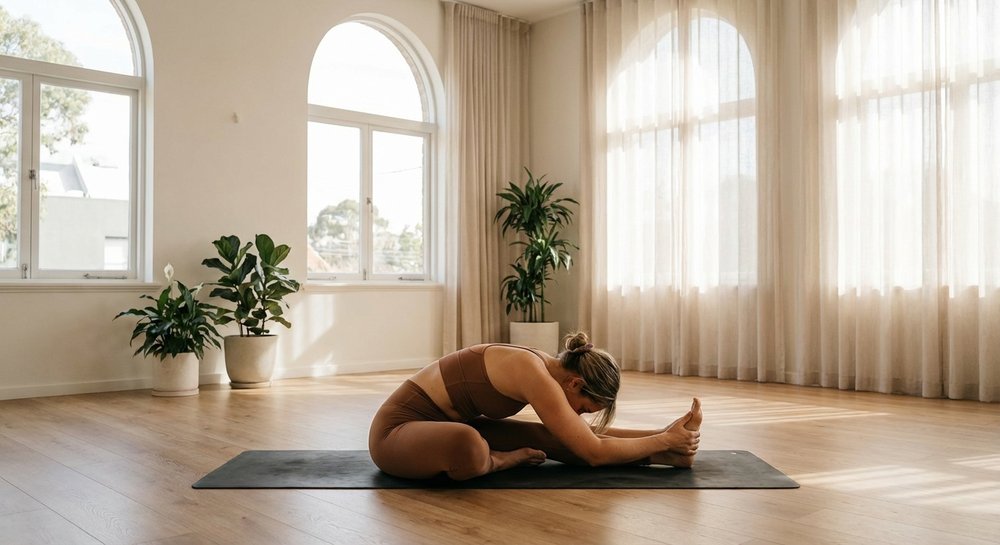
Sit on the floor with one leg extended and the other bent with the sole of your foot against your inner thigh. Reach toward the toes of your extended leg while keeping your back straight. Hold for 30 seconds on each side.
Chest and Shoulders
Stand in a doorway with your arms raised to shoulder height, elbows bent at 90 degrees. Place your forearms on the door frame and gently lean forward until you feel a stretch across your chest. This is particularly beneficial for people who spend hours hunching over a computer.
Lower Back
Lie on your back and bring both knees to your chest. Gently rock side to side to massage the lower back muscles. Hold the position for 30 seconds while breathing deeply.
When and How Often to Stretch
- Before exercise: 5 minutes of dynamic stretching
- After exercise: 10 minutes of static stretching
- On rest days: A dedicated 15 to 20 minute stretching session
- Throughout the workday: Brief stretch breaks every 60 to 90 minutes
Flexibility is not about being able to do the splits. It is about having the range of motion your body needs to move well, feel good, and stay injury-free throughout your life.
Incorporating regular stretching into your routine does not require much time, but the benefits compound over weeks and months. Start today by adding just five minutes of stretching to the end of your next home workout. Your body will thank you for it.