Published: February 22, 2024
What Does a Balanced Diet Actually Mean?
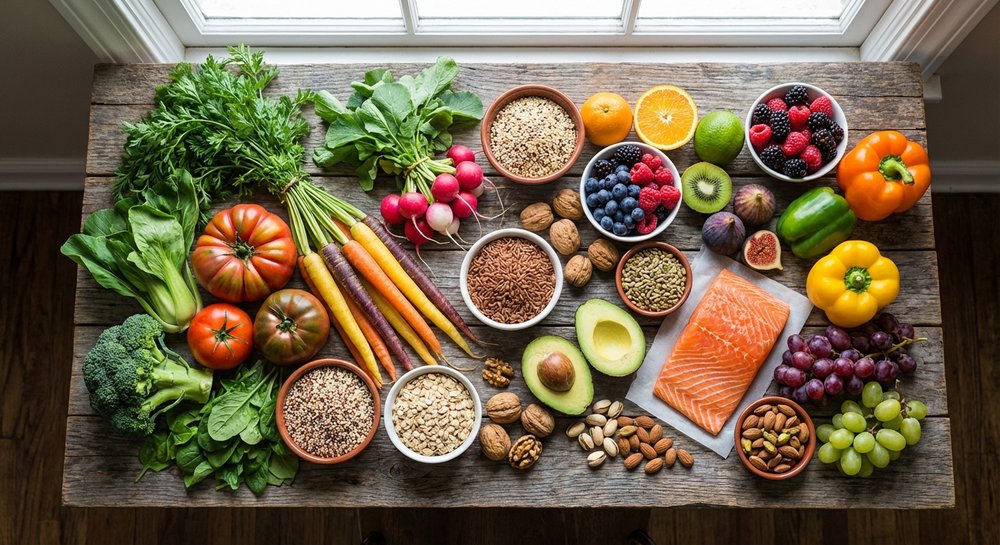
A balanced diet provides your body with all the essential nutrients it needs to function properly. This includes the right proportions of macronutrients — proteins, carbohydrates, and fats — as well as micronutrients like vitamins and minerals. It is not about restriction or elimination but rather about making informed choices that support your health and energy levels.
The Three Macronutrients
Protein
Protein is essential for building and repairing tissues, producing enzymes and hormones, and supporting immune function. For most adults, consuming 0.8 to 1.2 grams of protein per kilogram of body weight is sufficient. Active individuals and those trying to build muscle may need 1.6 to 2.2 grams per kilogram.
Good sources of protein include chicken, fish, eggs, tofu, legumes, and dairy products. In Filipino cuisine, dishes like tinolang manok, sinigang na isda, and monggo provide excellent protein sources.
Carbohydrates
Carbohydrates are your body's primary source of energy. Despite their bad reputation in some diet circles, carbs are essential for brain function, physical performance, and overall well-being. The key is choosing complex carbohydrates that provide sustained energy rather than refined options that cause blood sugar spikes.
Opt for brown rice instead of white rice, whole grain bread, sweet potatoes, oats, and plenty of fruits and vegetables. These foods provide fiber, which supports digestive health and helps you feel full longer.
Fats
Healthy fats are crucial for hormone production, nutrient absorption, and brain health. Focus on unsaturated fats found in avocados, nuts, olive oil, and fatty fish like salmon and bangus. Limit saturated fats from processed foods and avoid trans fats entirely.
Building Your Plate
A simple way to create balanced meals is to follow the plate method:
- Half your plate: Vegetables and fruits — the more colorful, the better
- Quarter of your plate: Lean protein source
- Quarter of your plate: Complex carbohydrates
- Small addition: Healthy fats from cooking oil, nuts, or avocado
Practical Tips for Better Eating
- Plan your meals: Spending 15 minutes each week planning and prepping your meals can prevent impulsive food choices
- Cook at home more often: You have much more control over ingredients and portions when you prepare your own food
- Read nutrition labels: Pay attention to serving sizes, added sugars, and sodium content
- Stay hydrated: Drink at least 8 glasses of water daily, more if you exercise or live in a warm climate
- Practice moderation: No food needs to be completely off-limits. Enjoying treats occasionally is part of a sustainable approach
A balanced diet is not a temporary fix — it is a lifelong approach to nourishing your body. Start with small changes and build from there. Perfection is not the goal; progress is.
Common Pitfalls to Avoid
Many people make the mistake of drastically cutting calories or eliminating entire food groups. This approach almost always backfires, leading to nutrient deficiencies, energy crashes, and eventual binge eating. Read about the most common diet mistakes that prevent weight loss. Instead, focus on adding more nutritious foods to your diet rather than just removing things. When you fill your plate with wholesome options, there is naturally less room for less nutritious choices.