Published: February 16, 2024
Why Meal Prep Changes Everything
One of the biggest obstacles to healthy eating is time. After a long day at work, the last thing most people want to do is spend an hour in the kitchen. Combined with a balanced diet approach, meal prep becomes even more powerful. This is exactly when unhealthy convenience foods and fast food become tempting. Meal prepping solves this problem by dedicating a few hours once or twice a week to prepare meals in advance.
Getting Started: The Basics
You do not need to be a skilled cook or invest in expensive equipment to start meal prepping. Here is what you need:
- Storage containers: Glass containers with tight-fitting lids are ideal. Invest in 10 to 15 containers of various sizes.
- Basic kitchen tools: A good knife, cutting board, baking sheets, and a large pot are sufficient
- A plan: Decide what you will eat for the week before you shop
Step-by-Step Meal Prep Guide
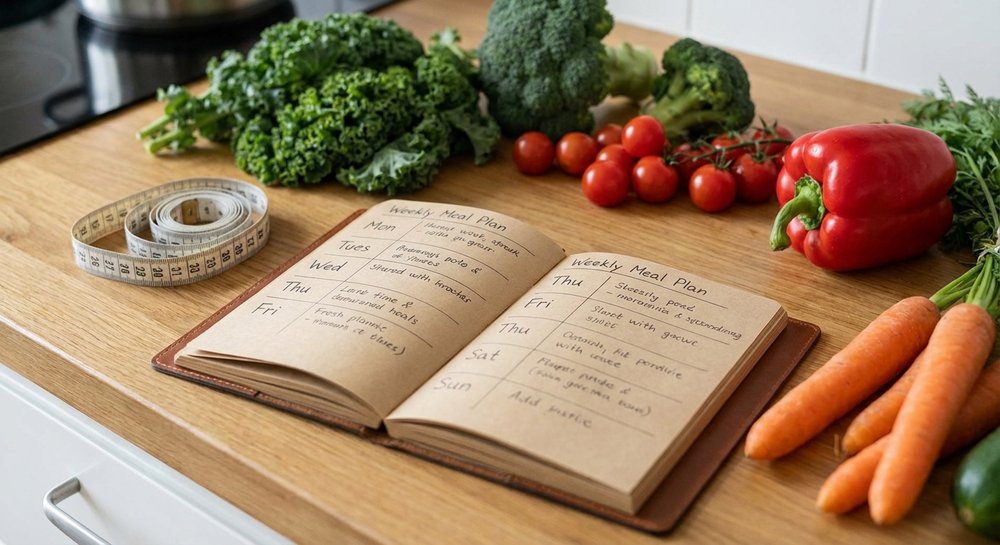
Step 1: Plan Your Menu
Choose 2 to 3 protein sources, 2 to 3 complex carbs, and 3 to 4 vegetables for the week. Keeping it simple reduces decision fatigue and minimizes food waste. You do not need a different meal for every single day.
Step 2: Write Your Shopping List
Calculate the quantities you need based on the number of meals you are preparing. Check your pantry and refrigerator first to avoid buying duplicates.
Step 3: Batch Cook
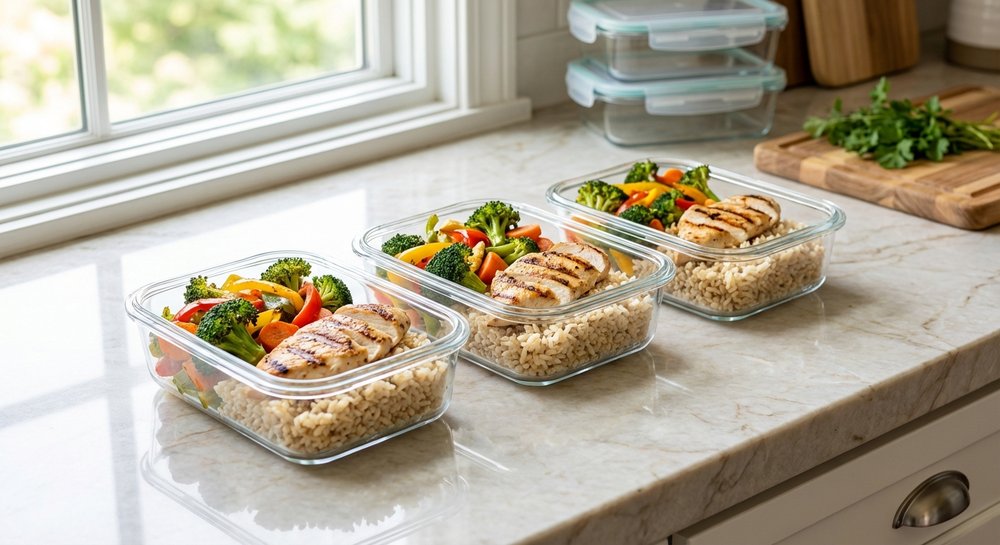
On your prep day, cook everything in bulk. While rice is cooking in the rice cooker, bake chicken in the oven and steam vegetables on the stove. Working on multiple items simultaneously saves significant time.
Step 4: Portion and Store
Divide your cooked food into individual containers. Label them with the date and contents. Most prepped meals stay fresh in the refrigerator for 3 to 4 days, so you may need to prep twice per week.
Sample Weekly Meal Prep
- Protein: Grilled chicken breast (1.5 kg) and hard-boiled eggs (12)
- Carbs: Brown rice (4 cups dry) and sweet potatoes (6 medium)
- Vegetables: Steamed broccoli, roasted bell peppers, fresh mixed greens
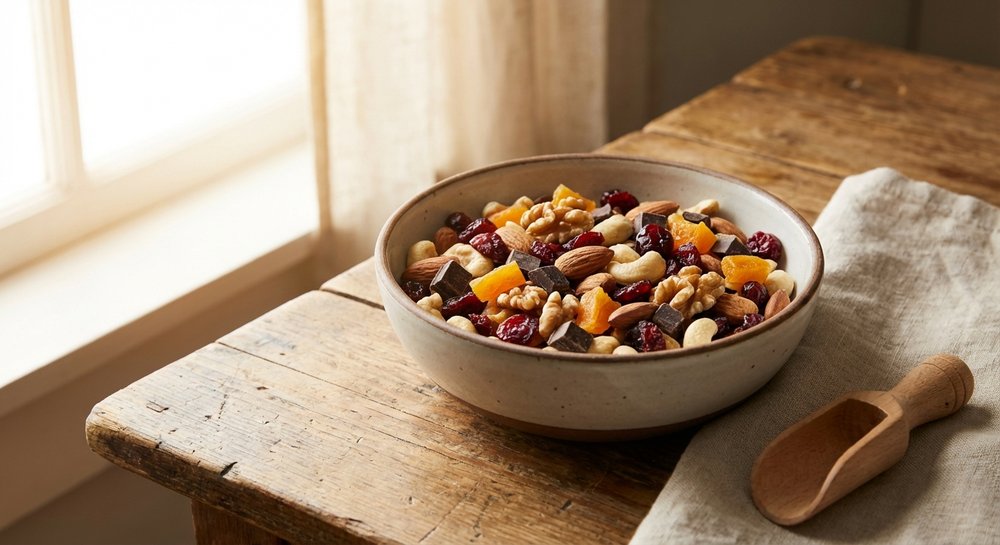
- Snacks: Pre-portioned nuts, sliced fruits, Greek yogurt — see our guide on healthy snacking for more ideas
Making It Work Long-Term
- Start small: Prep just lunches for the first week, then gradually add other meals
- Rotate recipes: Change your menu every 2 to 3 weeks to prevent boredom
- Use sauces and seasonings: The same grilled chicken tastes completely different with soy-calamansi sauce versus pesto
- Prep with a friend or family member: It is more enjoyable and you can split the work
- Freeze extras: Soups, stews, and marinated proteins freeze well for weeks
Meal prep is not about eating the same boring food every day. It is about having healthy options ready so that making good choices becomes the easy choice.
Once meal prepping becomes a habit, you will wonder how you ever managed without it. The time you save during the week, combined with the money you save by eating out less, makes it one of the most impactful health habits you can develop. For a fully customized approach, explore our nutrition planning service.