Published: February 3, 2024
Snacking Does Not Have to Derail Your Diet
Many people view snacking as the enemy of weight loss, but strategic snacking can actually support your goals. The key is choosing the right foods as part of a balanced diet and understanding the difference between mindless eating and purposeful snacking that keeps your energy stable and prevents overeating at main meals.
The Science Behind Smart Snacking
When you go too long between meals, your blood sugar drops, triggering intense hunger and cravings. In this state, you are far more likely to overeat or reach for unhealthy options. A well-timed snack between meals helps maintain steady blood sugar levels, supports consistent energy throughout the day, prevents extreme hunger that leads to poor food choices, provides opportunities to consume additional nutrients, and supports muscle recovery when consumed after exercise.
What Makes a Good Snack?
An ideal snack combines protein and fiber, which together provide lasting satiety. Aim for snacks between 150 and 250 calories. Here are some excellent options:
Protein-Rich Options
- Greek yogurt with a handful of berries
- Hard-boiled eggs (1-2)
- A small handful of almonds or cashews (about 20 pieces)
- String cheese or cottage cheese
- Edamame beans
Fiber-Rich Options
- Apple slices with 2 tablespoons of peanut butter
- Carrot and cucumber sticks with hummus
- A small sweet potato
- Air-popped popcorn (3 cups)
- A banana with a tablespoon of almond butter
Combination Snacks
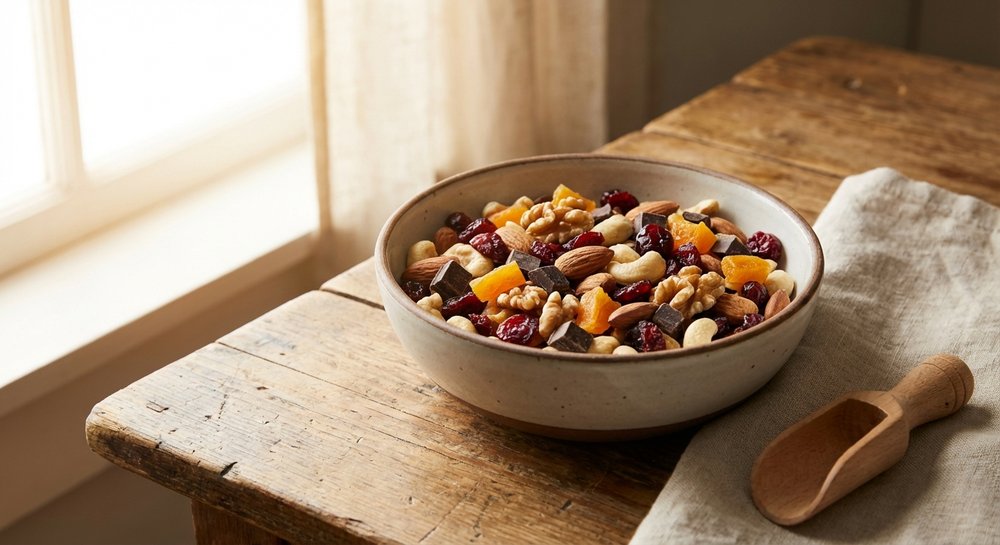
- Trail mix with nuts, seeds, and dried fruit (small handful)
- Whole grain crackers with tuna
- Smoothie with protein powder, banana, and spinach
- Rice cakes with avocado and a pinch of sea salt
Snacks to Limit or Avoid
Not all snacks are created equal. The following options are high in calories, sugar, or sodium while providing little nutritional value:
- Chips and processed crackers
- Candy bars and chocolate-covered snacks
- Sweetened beverages including juice and iced tea
- Pastries and baked goods
- Instant noodles as a snack
Practical Snacking Strategies
- Pre-portion your snacks: Eating directly from a large bag makes it easy to consume far more than intended — one of the common diet mistakes people make
- Keep healthy snacks visible and accessible: Place a fruit bowl on your desk or pre-cut vegetables in the front of your refrigerator
- Eat mindfully: Sit down and focus on your snack rather than eating while scrolling through your phone
- Time your snacks: Mid-morning and mid-afternoon are optimal times, roughly 2 to 3 hours after your last meal
- Stay hydrated: Sometimes what feels like hunger is actually thirst. Learn more about the role of hydration in your health. Drink a glass of water before reaching for a snack
The goal of snacking is not to add unnecessary calories but to bridge the gap between meals in a way that supports your energy, nutrition, and fitness goals.